
WATCH: All episodes available on YouTube
LISTEN: Apple, Spotify, Youtube Music
Few passages in Scripture stir as much debate as the brief mention of the Nephilim in Genesis 6:1–4. The text gives only a handful of verses, yet they have sparked centuries of commentary, speculation, and theological interpretation. This article examines the main views, the biblical clues, and the practical meaning behind this mysterious group.

The Biblical Text
The Starting Point
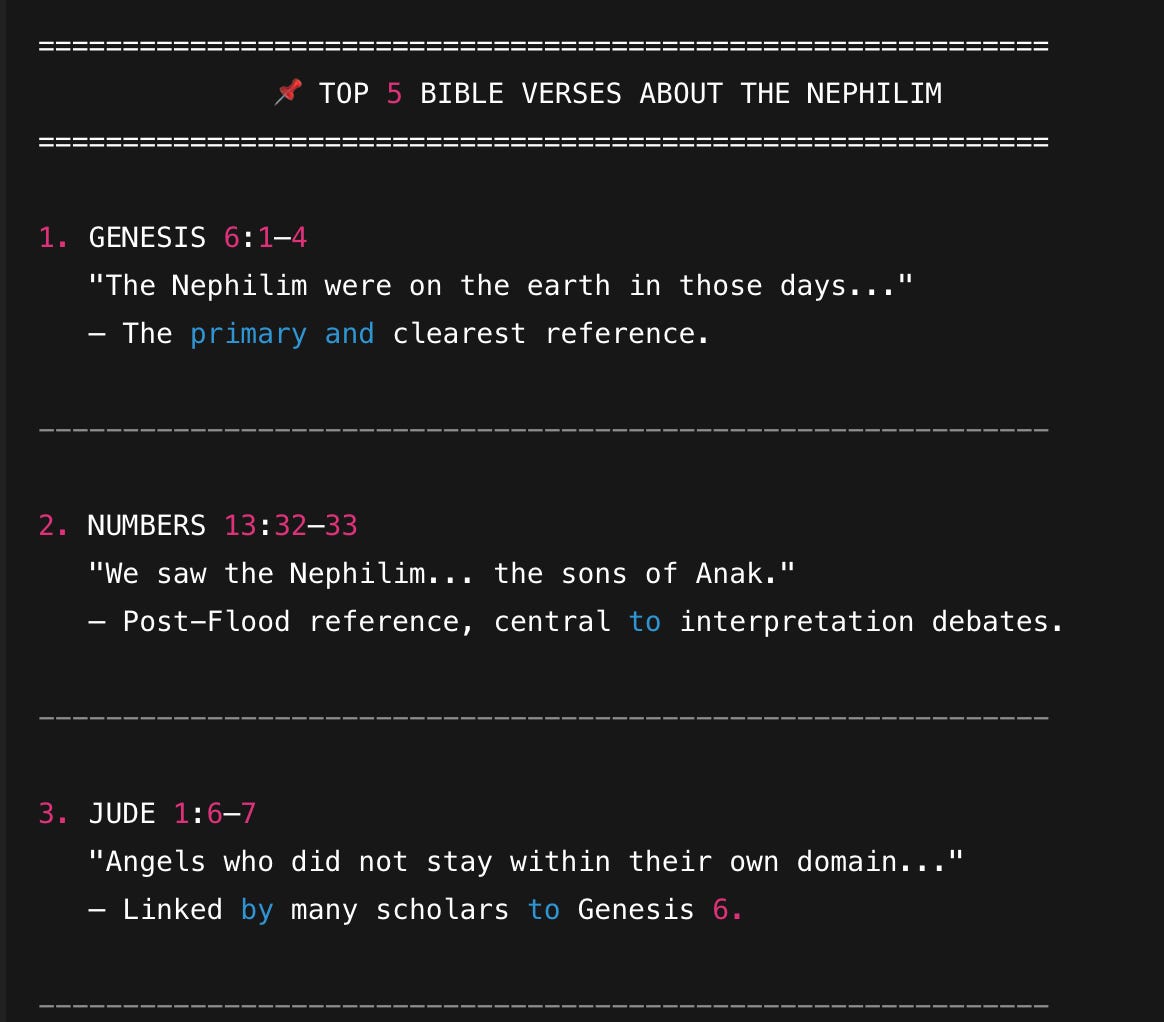
“The Nephilim were on the earth in those days—and also afterward—when the sons of God came in to the daughters of men and they bore children to them. These were the mighty men of old, men of renown.” — Genesis 6:4
The passage appears just before the flood narrative, signaling a world growing chaotic, violent, and spiritually fractured. The description is brief, yet deliberate:
They existed “in those days—and also afterward.”
They were “mighty men.”
They were “men of renown.”
View 1: The Nephilim as Offspring of Divine Beings and Human Women
The Ancient Interpretation
This is the oldest and most widespread view in ancient Jewish literature, including texts like 1 Enoch.
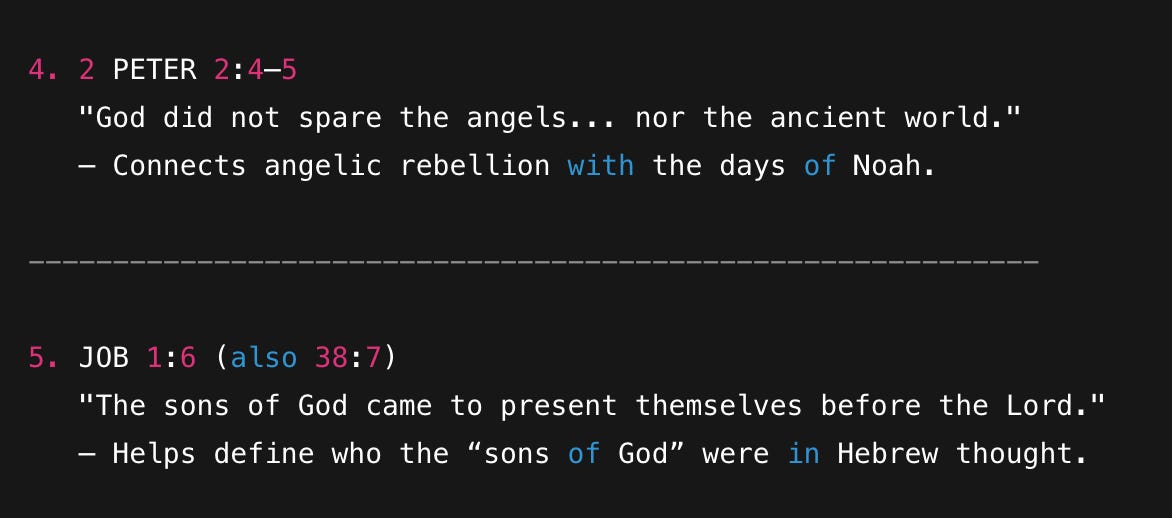
Here, “sons of God” refers to angelic beings who stepped outside their appointed boundaries (echoed by Jude 6–7). Their unions produced hybrid, giantlike offspring—powerful, but corrupted.
Why some support this view:
The term “sons of God” (bene Elohim) appears in Job 1:6 and Job 2:1, clearly referring to heavenly beings.
The context of Genesis 6 leads directly into God’s judgment, suggesting a grave violation.
Numbers 13:33 mentions Nephilim again, reported as towering figures.
Criticisms:
The idea of angels reproducing troubles some readers.
Jesus states angels “neither marry nor are given in marriage” (Matthew 22:30), though this refers to angels in heaven—not necessarily fallen ones.

View 2: The Nephilim as the Powerful Offspring of Violent Human Clans
The Historical-Context Approach
Another interpretation sees “sons of God” as powerful human rulers—possibly tyrant kings—who seized women and built dynasties of violent warriors. In this reading, Nephilim refers to elite warriors known for brutality.
Why some support this view:
Ancient Near Eastern kings often called themselves “sons of god.”
The text emphasizes increasing wickedness, violence, and corruption (Genesis 6:11–12).
This avoids the supernatural complications of view 1.
Criticisms:
The phrase bene Elohim is rarely used for rulers in Hebrew Scripture.
The link between these unions and the rise of the Nephilim becomes less direct.
View 3: The Nephilim as “Fallen Ones” or “Giants”
A Linguistic Perspective
The Hebrew word Nephilim may come from the root naphal, meaning to fall.
This reading suggests either:
“fallen ones”—a morally fallen group, or
“those who cause others to fall”—warriors of fearsome reputation.
Examples from Scripture:
Numbers 13:33 mentions Nephilim when the spies report giants in Canaan:
“We seemed like grasshoppers in our own eyes…”
Their report may have been exaggerated or fear-driven, but it shows the term described awe-inspiring figures.
How Each View Fits the Story of the Flood
Regardless of interpretation, the narrative places the Nephilim within a world spiraling toward divine judgment.
Genesis emphasizes:
escalating violence,
moral collapse,
humanity’s rebellion against God.
The Nephilim appear as a symptom of a world unraveling. Their presence magnified the corruption that led to God’s decision in Genesis 6:13:
“The end of all flesh has come before Me, for the earth is filled with violence.”
What the Nephilim Teach Today
Though mysterious, the Nephilim carry practical lessons:
Power without righteousness leads to ruin.
When boundaries—spiritual or moral—collapse, societies collapse with them.
Fearsome reputations do not outlast the judgment of God.
God intervenes when human corruption reaches a breaking point.
The passage invites humility; Scripture gives only enough information to warn, not enough to satisfy curiosity.
Quotes From Later Interpretations
“The Nephilim stand as a living reminder of the dangers of corrupted greatness.”
“Genesis gives us mystery intentionally, so we read with reverence, not arrogance.”
Recap & Final Thoughts
The Nephilim appear briefly in Genesis 6:1–4, just before the flood.
Interpretations include supernatural hybrids, violent human dynasties, or “fallen” warrior clans.
The Hebrew term may mean “fallen ones” or refer to giantlike figures.
Their presence symbolizes a world drifting into chaos.
The story warns against unchecked power and moral decay.
Scripture leaves the mystery unresolved, inviting reflection rather than speculation.
My Thoughts on this + Study Plan / Additional Resources


